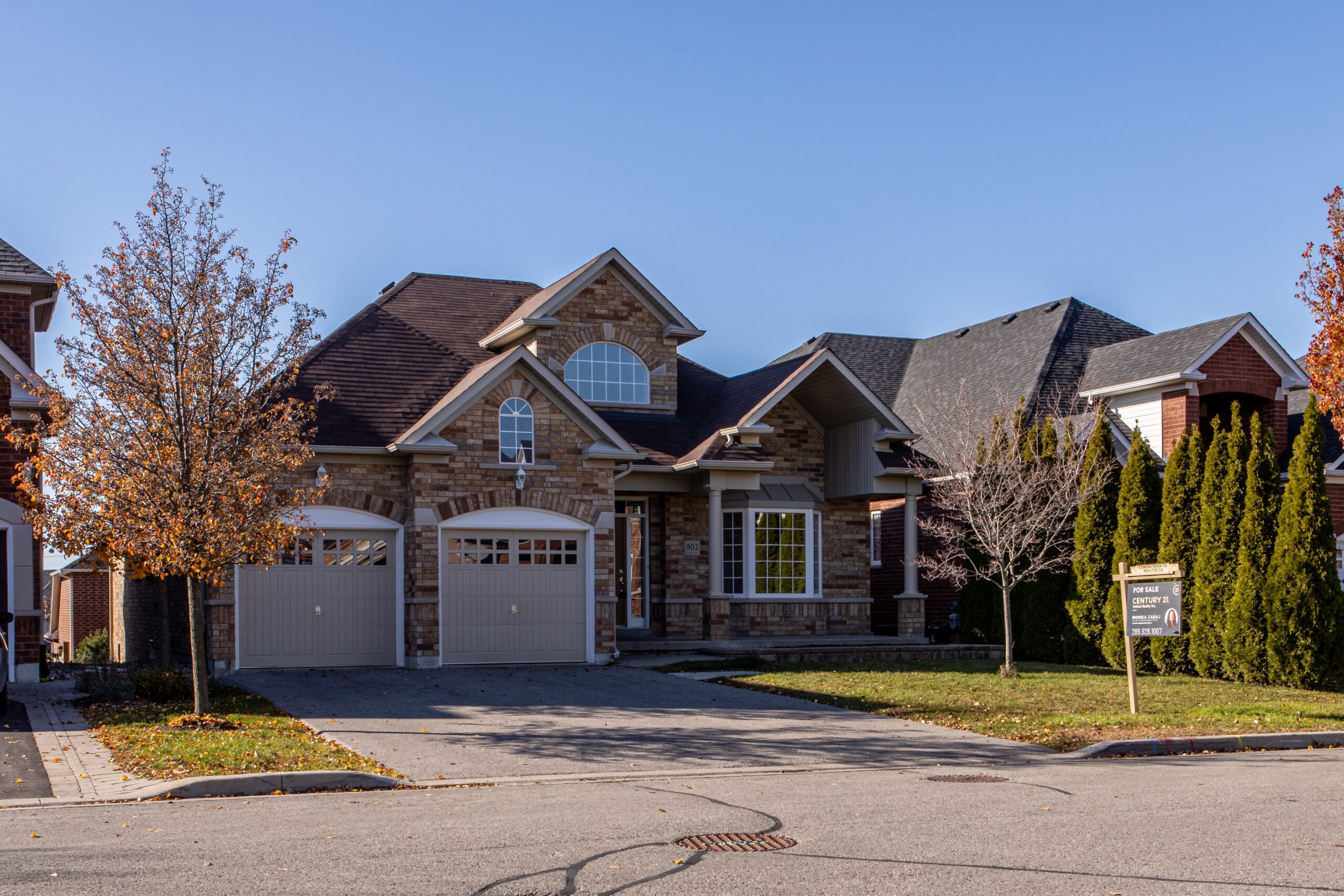
Should I Replace My Roof Before Selling?
Deciding to sell your home can come with a laundry list of to-dos before you can even put the house …

Ask any roofing professional how frequently you should inspect your roof, and they’re going to tell you at least twice a year (in addition to before and after storms). We’re no different. Keeping close tabs on your roof helps you spot issues early so you can prevent bigger (and more expensive) problems down the road. But what exactly should you be looking for when it comes to your roof?
Here are a few things Austin homeowners should be looking for between calls to their professional roofer for a more thorough inspection. It’s worth mentioning that much of this can be done from the ground with a good pair of binoculars. Climbing on roofs is dangerous and it can potentially damage your roof. Always take caution and leave the more treacherous aspects of the job to a professional.
As you scan your roof, take note of things like where the sun most frequently beats down on it, if there are nearby trees with overhanging branches, and any other weather-related signs worth noting. Here in Central Texas, our roofs must handle it all, so keeping a close eye on it when the weather is good can help you make sure it’s in a strong position for when the weather might not be so good.
To schedule a roofing inspection with our team at Storm Guard of SW Austin, please give us a call today.
Deciding to sell your home can come with a laundry list of to-dos before you can even put the house …
The whims of the weather have always impacted our daily lives, and it also can constrain our ability to install …
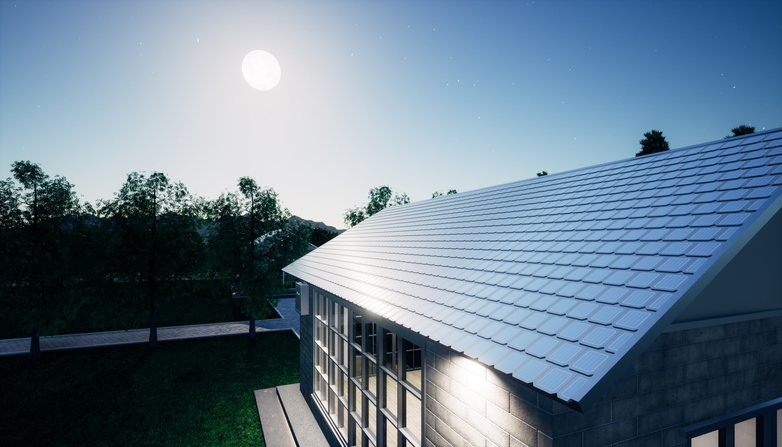
Solar roofs are the way of the future, and the main options on the market today are solar roof panels …

There are many factors that contribute to a roof’s lifespan. Here in Austin, the weather plays a big role but …
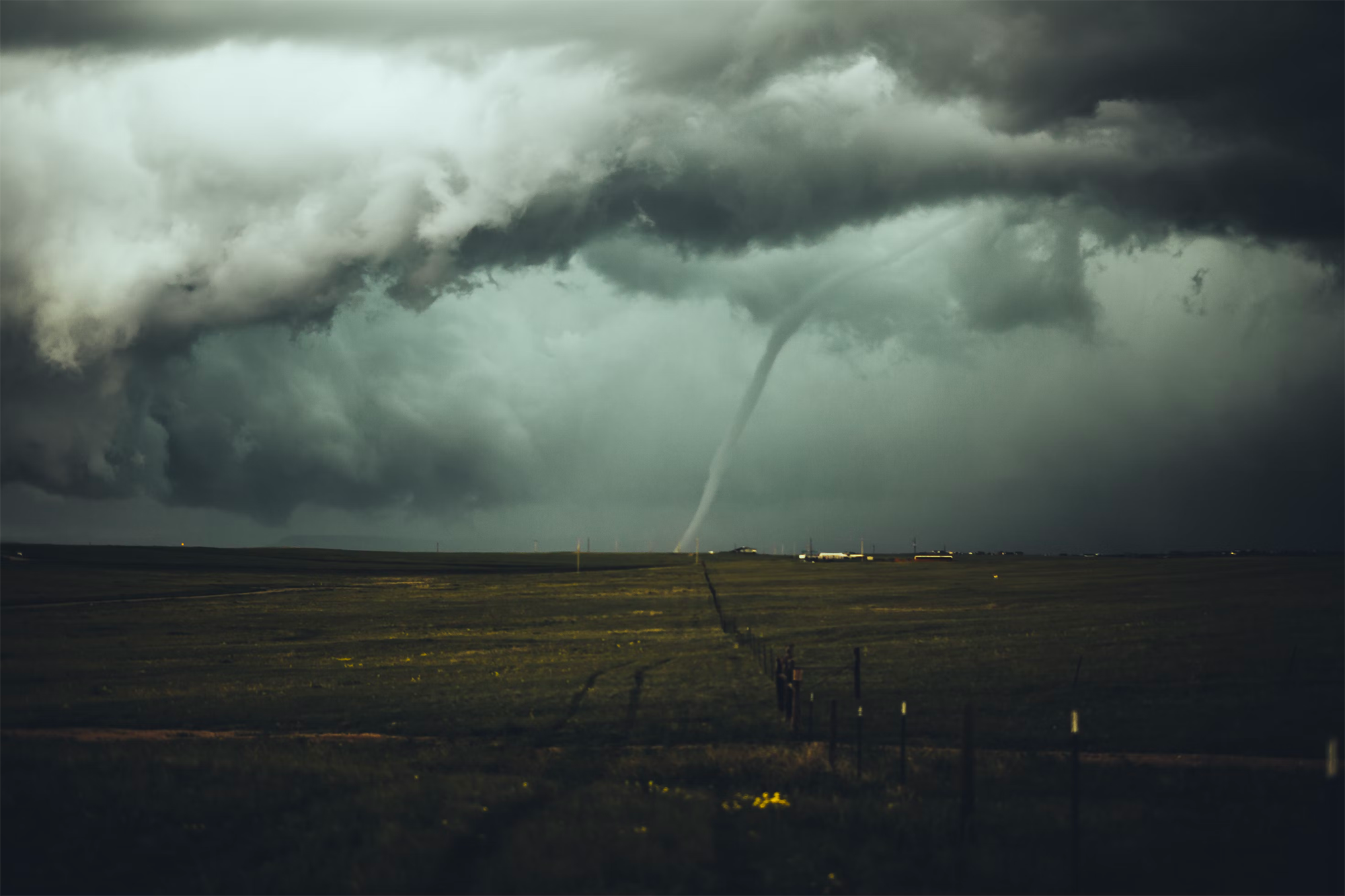
Watch for Warnings Tornadoes can form when there are two different speeds of wind at different altitudes. This creates a …

When it comes to commercial construction, flat roofing has a long history in the United States. As most commercial property …